
"coffee cultivation"
30000 article(s) found

Cultivating "Coffee Mother Tree" in Holland to achieve Coffee Prosperity
About 16 ⊙○ years ago, the Indian Babudan was infatuated with Middle Eastern coffee and hid seven Yemeni mocha seeds in a hidden bag on his belly to avoid the eyes and ears of Turkish soldiers. After returning to India, he planted coffee beans on Mount Chandragiri Hills in the southwestern state of Kanlataka, outside Babudan's spiritual cave. Due to the climate

Coffee tree cultivation conditions
The coffee tree is native to Ethiopia in Africa. Coffee tree in botany, belongs to the Rubiaceae coffee subgenus evergreen tree, and generally known as coffee beans, survey is the coffee tree fruit seeds, only because the shape like beans, so called coffee beans. Climate is the decisive factor for coffee cultivation. Coffee trees are only suitable for growing in the tropics or subtropics, so latitude 25 from north to south

Coffee planting and cultivation techniques Arabica coffee how to plant coffee seeds and how to grow into trees
Professional coffee knowledge exchange more coffee bean information please follow the coffee workshop (Wechat official account cafe_style) A coffee tree bears fruit several times a year. Coffee tree is a kind of plant that is very sensitive to climate, sunshine, Rain Water and soil. when a coffee bean sprouts up and takes root in the soil, it will squeeze the bean out of the soil.

Puerto Rico has a very long history of coffee cultivation.
Puerto Rico has a very long history of coffee cultivation. As a Caribbean island country, coffee planting as a commodity began to rise here as early as the 1860s. What is interesting is that in recent years, with the increase of import tariffs on Puerto Rico coffee in the United States and other countries, although the coffee planting industry here has shrunk to a great extent, a new round of industrial reshuffle and integration

The basics of coffee cultivation
What is coffee? Coffee is the fruit of a Rubiaceae plant growing about 6000 feet above sea level, distributed on the world's narrow subtropical axis; coffee trees grow green all the year round and can grow up to 20 feet tall, and are generally controlled at 8 to 10 feet for easy harvest.
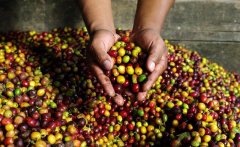
History of coffee cultivation in Nicaragua an introduction to the current situation of coffee industry in Nicaragua
Communication of professional baristas follow Coffee Workshop (Wechat official account cafe_style) Coffee was introduced to Nicaragua by Catholic missionaries in 1790 and was originally grown out of curiosity, but it was not until around 1840 that coffee cultivation began to receive attention because of the growth in global demand for coffee. In 1840 and 1940, the coffee industry had a great impact on the Nicaraguan economy.

Taiwan Coffee planting History with twists and turns in Coffee producing ∣
Taiwan's history of contact with coffee is not long, only more than 140 years, and it is not an ancient country with a coffee culture, and it is also the last country to play an international role in coffee production. Today, however, Taiwan has a place in the global coffee arena. Not only have several coffee professionals won the global competition for all kinds of coffee, but Taipei has also been selected by BBC as the top six coffee cities in the world. Taiwan can have such a rocket jet.

Thai Coffee | introduction of Thai Coffee Bean producing areas _ Historical Origin of Coffee cultivation in Thailand
There are two theories about the history of coffee bean cultivation in Thailand. the first is that in 1904, a Muslim pilgrim passed through India on his way back to Thailand, where he brought some Robusta coffee bean seeds back to Thailand and planted it on the land of southern Thailand. Another kind of story is in 1950, when a man with great intentions

Coffee botany knowledge-Malaysia Coffee City White Coffee
According to the botanical description of coffee: coffee is Rubiaceae, coffee genus, perennial evergreen shrubs or small trees. There are more than 60 types of coffee classified, but there are roughly two varieties of coffee grown commercially on a large scale, one is Arabica, accounting for about 70 percent of the world's coffee planting area, and the other is Robasta, accounting for about 30 percent of the world's coffee planting area. According to our country

Favorable conditions for coffee cultivation in Colombia Coffee cultivation in Colombia has a unique advantage
Professional coffee knowledge exchange more coffee bean information please follow the coffee workshop (Wechat official account cafe_style) front street-Columbia planting conditions South America is already the largest coffee-producing continent, thanks to the high altitude surrounded by the Andean foothills, where the climate is mild and humid, good rainfall makes it very suitable for coffee growth, making Columbia

What are the growing areas of Angolan coffee? An introduction to the history of coffee cultivation in Angola
Professional coffee knowledge exchange more information about coffee beans Please follow the coffee workshop (Wechat official account cafe_style) Angolan coffee is famous for its sweet taste. The most amazing thing about the Angolan coffee bean is that it is a strong bean. Robusta beans are usually known for their strong flavor and are often used as fillers for Arabica coffee beans by major coffee producers.

Global coffee growing introduction-Tanzania coffee characteristics and cultivation situation
In the past, Tanzania's coffee industry has been dominated by plantation cultivation, but now more than 85% is cultivated by smallholders. Many small farmers form cooperative organizations, the most important of which is the Kilimanjaro Cooperative Union (KNCU). Tanzanian coffee is sold at auction by the Tanzania Coffee Marketing Council (Tanzanian C

Cultivation techniques of coffee trees how would you like your latte coffee milk foam to be beaten?
5 cultivation technology editor there are many legends about people discovering coffee. There is a legend that in the 13th century, there was a prince in Ethiopia who found that his camel loved to eat small oars on a bush, and after eating it looked very excited and energetic. So he also picked some small berries to taste, and finally discovered this refreshing coffee drink. Another legend is that
Knowledge of coffee botany basic knowledge of fine coffee
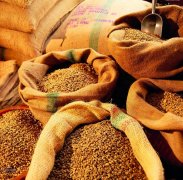
According to the botanical description of coffee: coffee is Rubiaceae, coffee genus, perennial evergreen shrubs or small trees. There are more than 60 types of coffee classified, but there are roughly two varieties of coffee grown commercially on a large scale, one is Arabica, accounting for about 70 percent of the world's coffee planting area, and the other is Robasta, accounting for about 30 percent of the world's coffee planting area. According to our country

Coffee botany is mainly divided into the following five varieties
There are more than 60 types of coffee classified, but there are roughly two varieties of coffee grown commercially on a large scale, one is Arabica, accounting for about 70 percent of the world's coffee planting area, and the other is Robasta, accounting for about 30 percent of the world's coffee planting area. According to our national standards, the classification of coffee is mainly divided into the following five varieties. 1. Small seed coffee, that is, Arabian species. Original production
The cultivation of coffee beans the history of coffee beans the cultivation of raw coffee beans
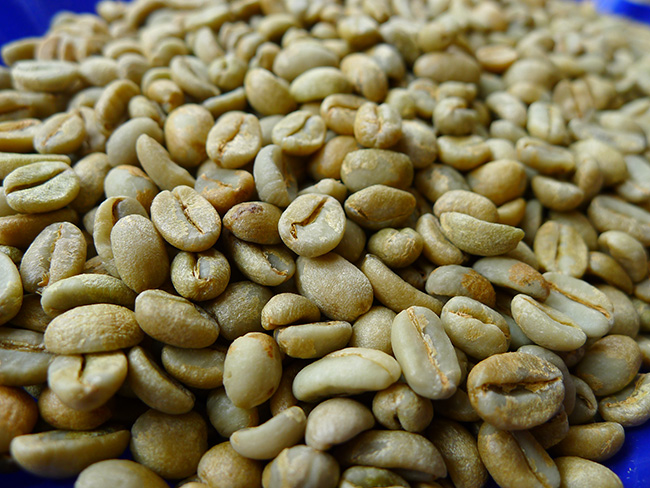
Coffee raw beans are the seeds of coffee trees. It is the wealth hidden in coffee cherries (coffee berries) that people usually call coffee cherries. They are mistakenly called beans because they are similar to the beans we usually see, but they are actually the seeds of coffee. There are usually two flat oval coffee beans in the coffee berries, and a small number of coffee berries

Yunnan fine coffee beans cultivation geographical location climate altitude profile
Planting areas are mainly distributed in Lincang, Baoshan, Simao, Xishuangbanna, Dehong and other prefectures. Baoshan has an average temperature of 21.5℃ and a maximum temperature of 40.4℃. There is basically no frost all year round. It is recognized as the best producing area of Arabica coffee. The Arabica coffee cultivated here is famous for its strong but not bitter, fragrant but not strong, well-proportioned grain facets, mellow fragrance and fruity flavor. International Coffee Organization tasting experts

Is Kenya of Brazilian descent? The source of coffee cultivation in Kenya
Professional coffee knowledge exchange for more information about coffee beans, please follow the introduction of Kenyan Coffee in the front street of the coffee workshop (Wechat official account cafe_style). The original place of origin of Arabica coffee shop is north of Kenya, but it was not until the beginning of the 20th century that it began to engage in coffee cultivation. 19th century missionaries introduced Arabica coffee from Yemen, but did not plant a large number of species until 1893.

Cultivation techniques of main Coffee varieties related to Coffee
As you explore the history and beauty of coffee, you can also see the coffee trees that are caressed by the tropical sun and whose leaves twinkle. It has a small white flower similar to jasmine, its fruit from green to yellow-green, and finally to red, coffee beans are the seeds in its fruit. Moreover, if you go to the coffee bean refinery, you can certainly see the red color called coffee cherry.

Cultivation technique of small-grain coffee: integral pruning
Single trunk shaping is a method of cultivating a trunk, using the primary branch as the backbone branch and the secondary and tertiary branches as the main fruiting branch. Single-stem plastic surgery usually takes the measure of removing the top to remove the terminal bud and promote the growth of branches. ① one-time topping method: when the coffee tree is 1.5-1.7 meters high, cut off the terminal bud. There are also those who reached the top at 1.8 to 2.2 meters high. ② multiple topping method: score